Safety striping is usually ordered as one thing: yellow lines on the floor. It is actually six different jobs with different purposes, and a facility that treats them as one tends to end up with marking that is decorative rather than functional.
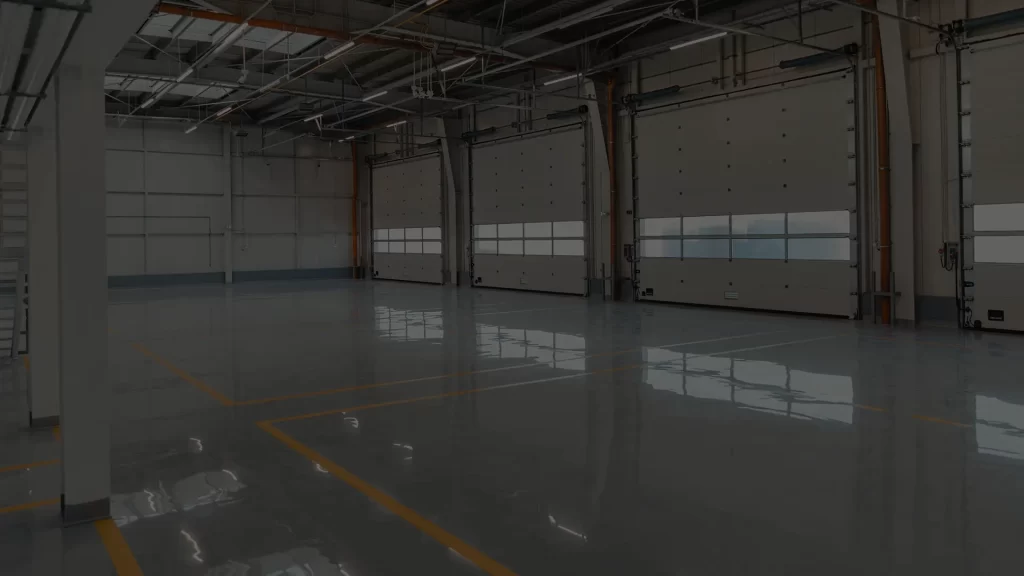
1. Floor marking
The general category: defining walkways, aisles and other areas to improve visibility and reduce the risk of accidents. It also designates specific areas such as parking spots for forklifts, storage areas for materials, and space for equipment maintenance.
The test of good floor marking is whether a new employee could work out where to stand and where not to without being told.
2. Aisle and traffic marking
Specifically about movement: indicating safe walkways and traffic flow through the facility. It exists to prevent collisions between people and vehicles, and to reduce slips and falls by keeping foot traffic out of areas where it does not belong.
This is the marking most affected by layout changes, because a route that made sense before racking was reconfigured may now lead somewhere it should not.
3. Hazard marking
Identifies areas of the facility that are hazardous, such as those with heavy machinery or exposed electrical wiring. It can include warning symbols to alert workers to specific dangers.
Hazard marking is worth reviewing whenever equipment is added or moved, since a hazard that has migrated ten feet is now marked in the wrong place, which is worse than not marked at all.
4. Emergency exit marking
Indicates the location of emergency exits and emergency equipment such as fire extinguishers, so people can evacuate quickly and safely and find equipment under pressure.
This is the category where being current matters most. A blocked or relocated exit with marking still pointing at it is a serious problem.
5. Line striping
Outside and around the building: parking lots, loading docks and similar areas, improving visibility and reducing the risk of accidents where vehicles and pedestrians share space.
6. Custom striping
Everything a standard scheme does not cover. Facilities with unusual layouts, specific process requirements or their own established conventions often need marking designed around how the building actually works.
Colors and compliance
Whatever the category, we use high-visibility colors such as yellow, orange or red so markings are clearly visible and easy to understand, and we keep them consistent so the building reads as one system. Compliance with OSHA standards and local regulations applies throughout.
Keep it current
Marking should be inspected and updated as necessary, particularly when the facility layout or equipment changes. Faded or outdated marking is not neutral, it actively misleads.
Read about safety striping and floor marking and warehouse services, or ask us to walk your floor.