Lead abatement usually gets discussed as a health and safety obligation, which it is. It is also a commercial exposure, and for a business owner weighing whether to deal with it now or later, the second framing is often the more useful one.
The health risk comes first
Lead exposure poses serious risks to employees, customers and the surrounding community. Prolonged contact can cause neurological damage, developmental delays in children and a range of chronic health conditions in adults. It is particularly dangerous for young children, pregnant women and people with certain medical conditions.
In a commercial or industrial building the exposure pathway is almost always disturbance. Intact, undisturbed lead paint is a manageable condition. Renovation, demolition or surface preparation turns it into airborne dust and chips, and that is when a contained problem becomes a distributed one.
The commercial exposure
Failing to address lead hazards can result in costly lawsuits, regulatory fines and long-term reputational damage. Those three behave differently:
- Lawsuits follow exposure, and they can arrive long after the work that caused it.
- Fines follow inspection, and compliance with OSHA, EPA and local environmental regulations is the floor rather than the target.
- Reputational damage is the one that does not settle. An employer known to have exposed its workforce carries that in recruitment and in customer relationships.
Why commercial buildings can be worse than homes
Lead is commonly found in buildings constructed before 1978, and commercial properties may carry an even greater risk of exposure than residential ones, because of their larger size and higher occupancy levels. More square footage means more coated surface. More occupancy means more people in the exposure path, and often a population that has no idea the risk exists.
What proper abatement involves
The process in commercial properties follows similar guidelines to residential work, and the critical requirement is the same: certified professionals trained in safe removal techniques who adhere to EPA and OSHA guidelines for controlling lead hazards.
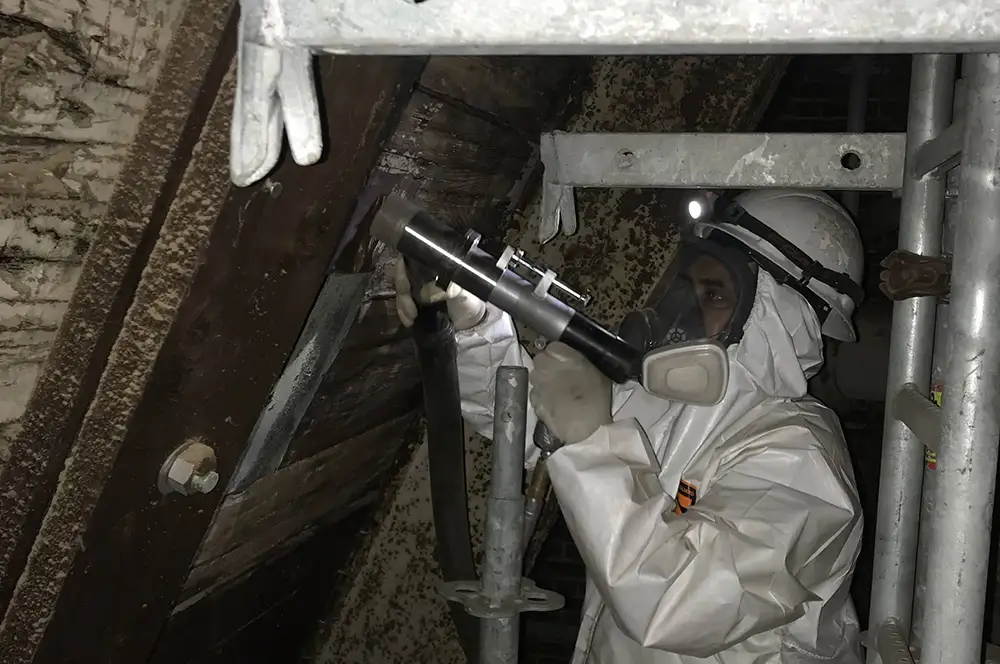
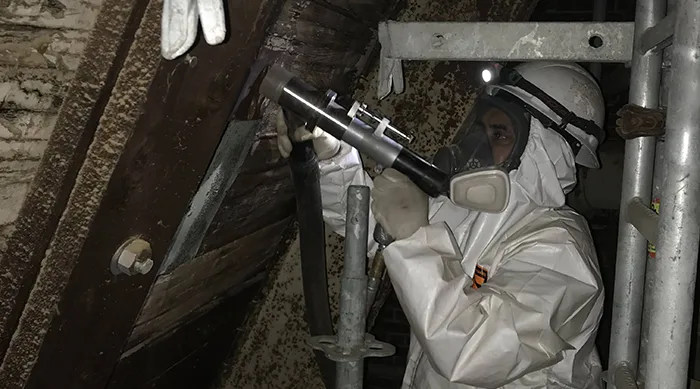
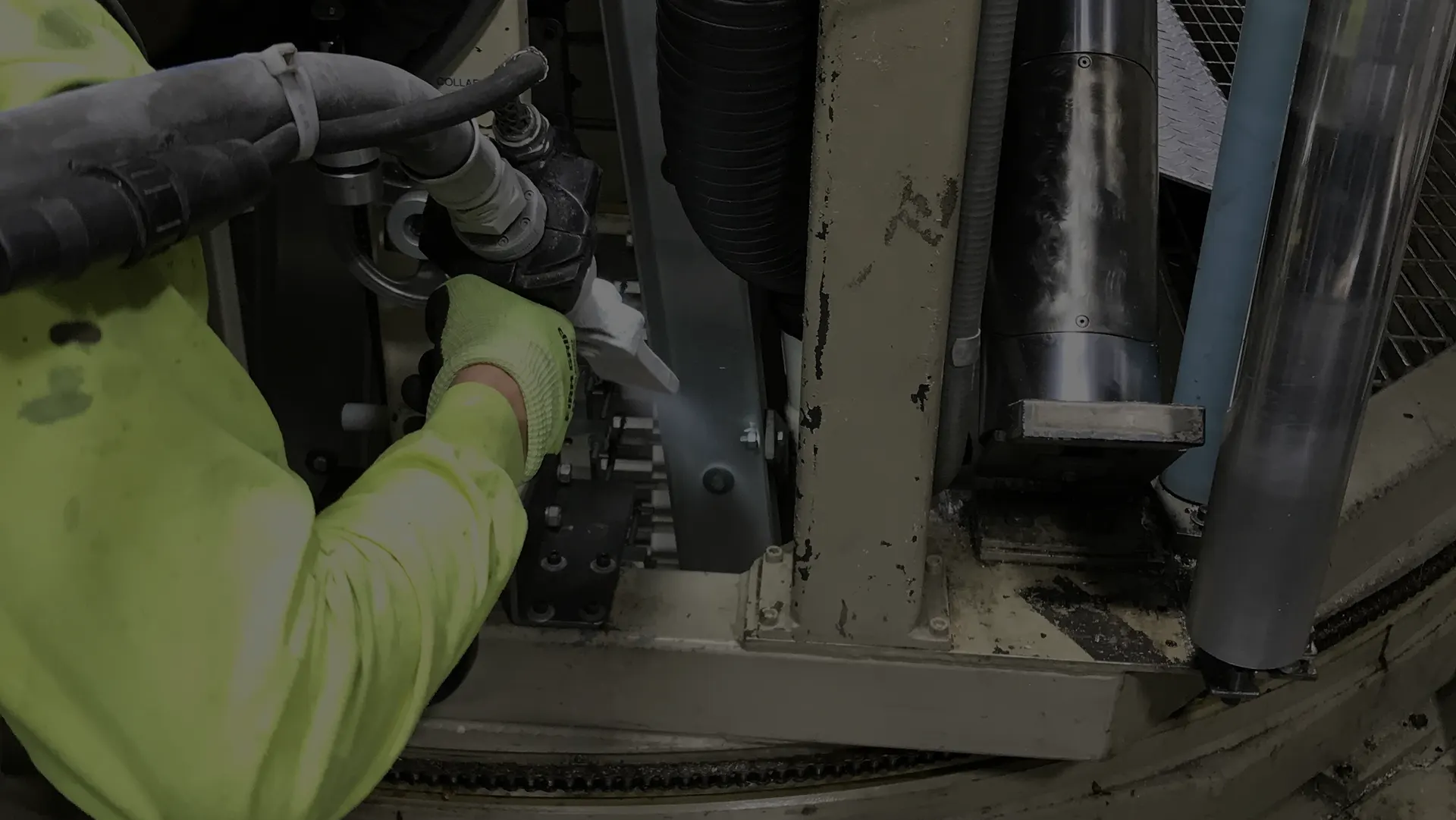
In practice that means containment of the work area, controlled removal, appropriate personal protective equipment, and proper handling and disposal of the waste that comes off the building. It is not work to hand to a general painting crew.
The proactive position
Investing in proper lead removal and containment protects the workforce, maintains operational integrity and demonstrates a deliberate approach to environmental health. It also removes an unknown from every future project, because lead discovered partway through a renovation stops everything until it is dealt with.
If a building predates 1978 and you are planning painting, renovation or surface preparation, settle this before the schedule is set rather than after a crew has started.
Our lead abatement work is fully warrantied, quotes are free and fast, and we take calls around the clock. Read about lead abatement services or call 1-800-884-0588.