Waste recycling plants need cleaning regularly, and the reasons stack up quickly. It is a safety question, an efficiency question, a compliance question and a quality question at the same time.
Four reasons at once
- Safety. A dirty recycling plant is a hazard for workers and for equipment.
- Efficiency. A clean plant operates more efficiently and helps reduce downtime.
- Compliance. Many recycling plants are subject to regulations and inspections, and a dirty plant may fail to meet compliance standards.
- Quality control. Cleanliness is essential to maintaining the quality of recycled materials and keeping them free of contaminants.
That last one is worth dwelling on, because it is the one that shows up on an invoice. Contaminated output is downgraded or rejected, and the contamination frequently came from the plant itself rather than from what arrived at the door.
Every area, plus the machinery
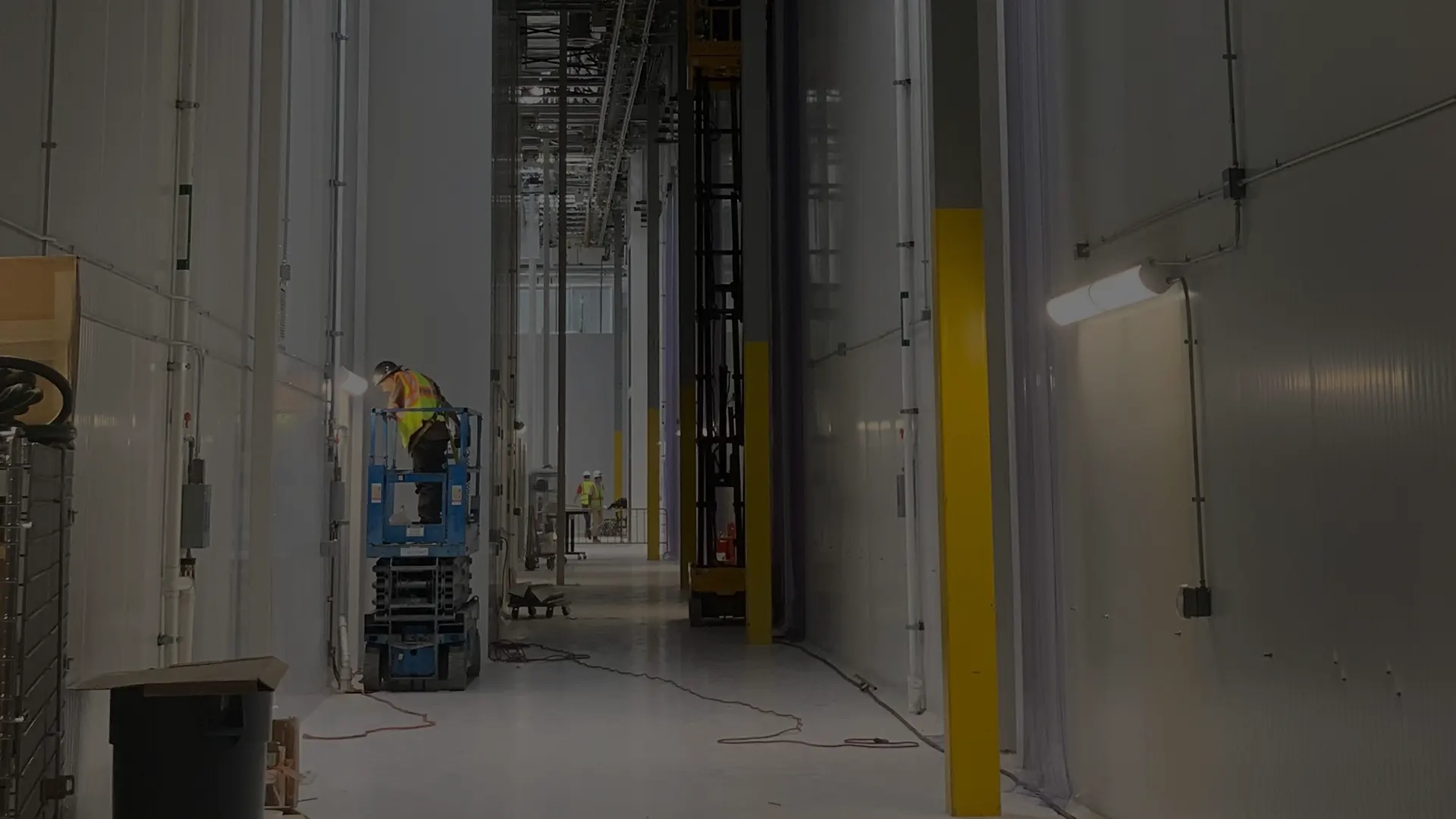
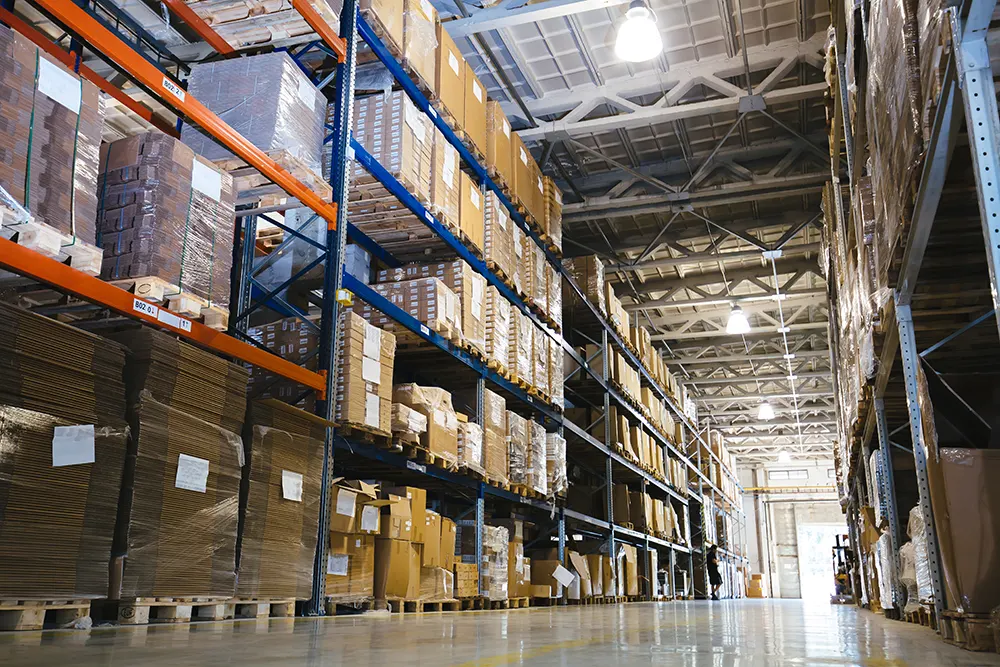
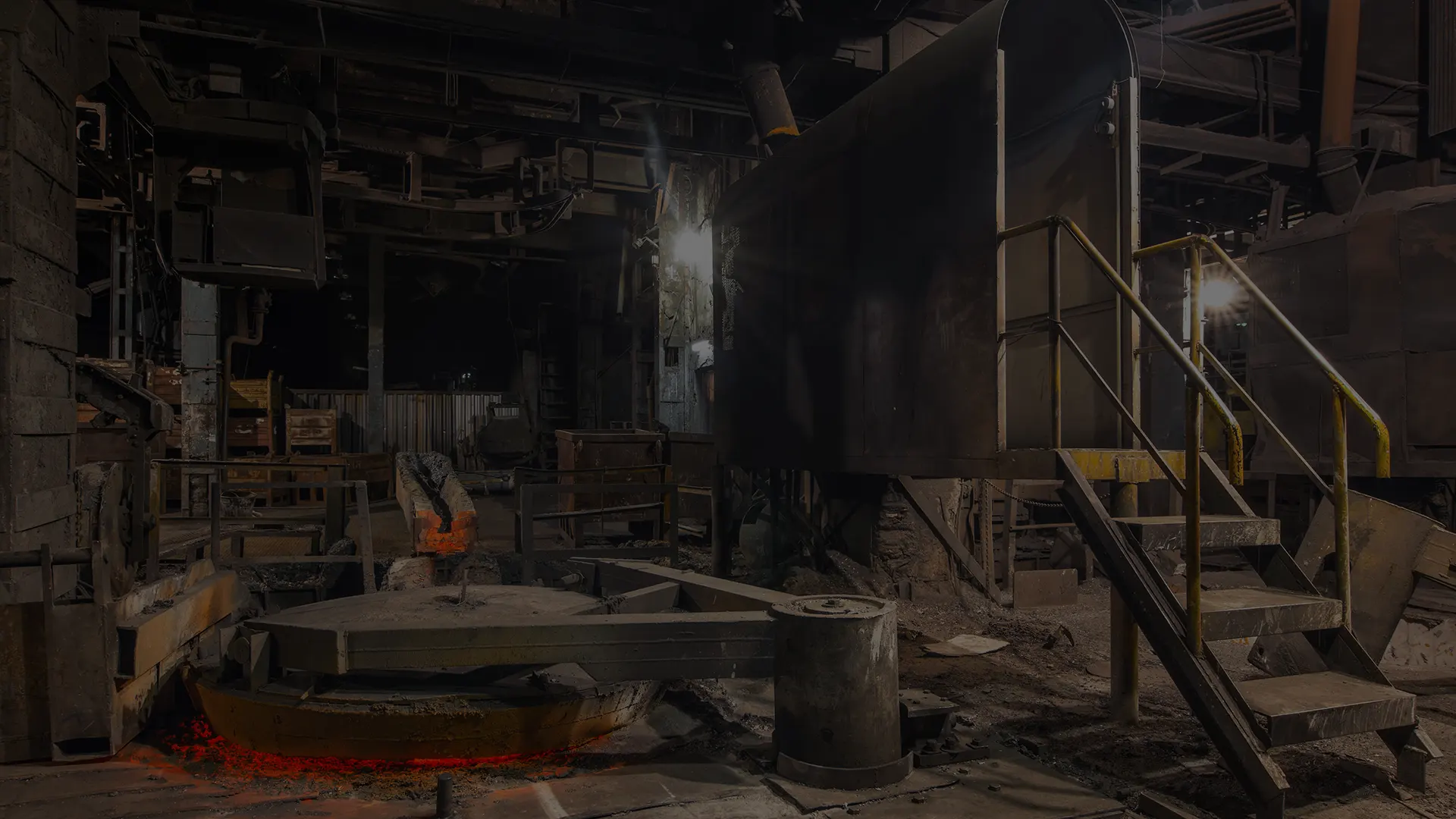
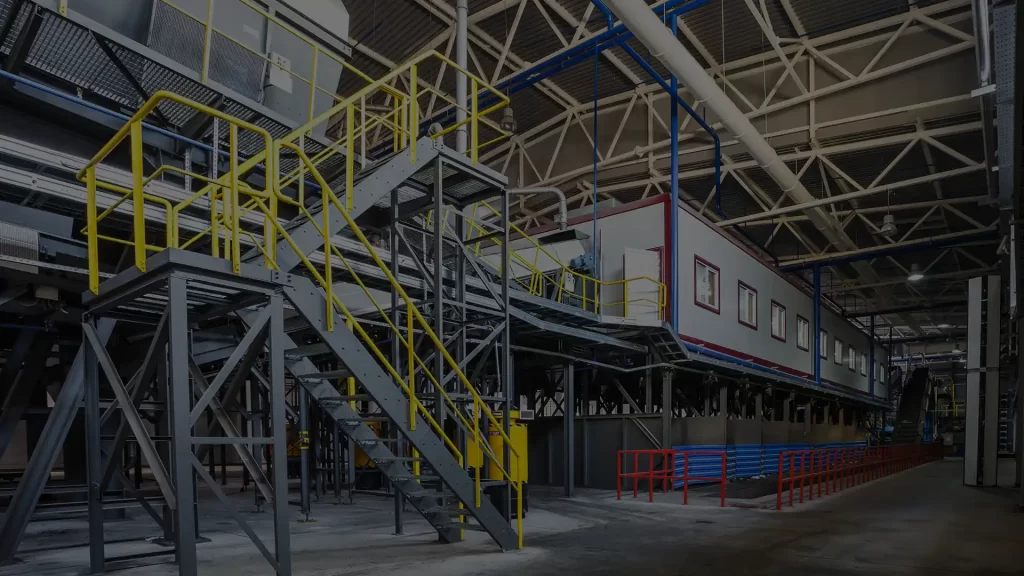
The cleaning process involves removing debris, dust and other materials from the plant’s operational areas: the material receiving and sorting area, the processing area, the packaging and storage area, and the shipping and logistics area.
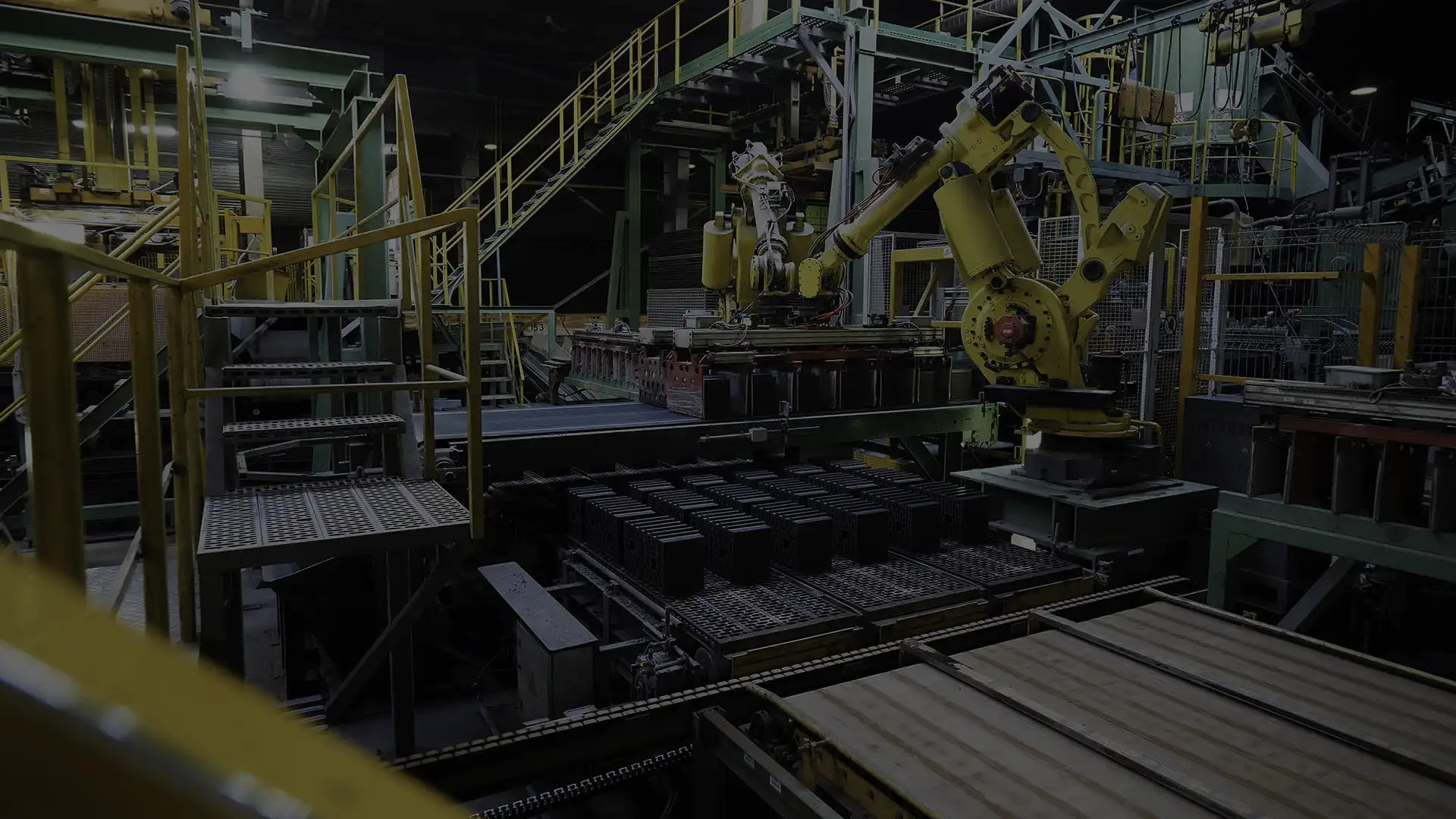
Special attention goes to the equipment and machinery, making sure it is free of the debris that both degrades output quality and causes the breakdowns that stop the line.
On a schedule
Because the contamination is continuous, the cleaning has to be too. A frequency matched to throughput keeps the plant on the right side of its inspections rather than scrambling ahead of them.
Read more about waste recycling plant cleaning, or request a quote.