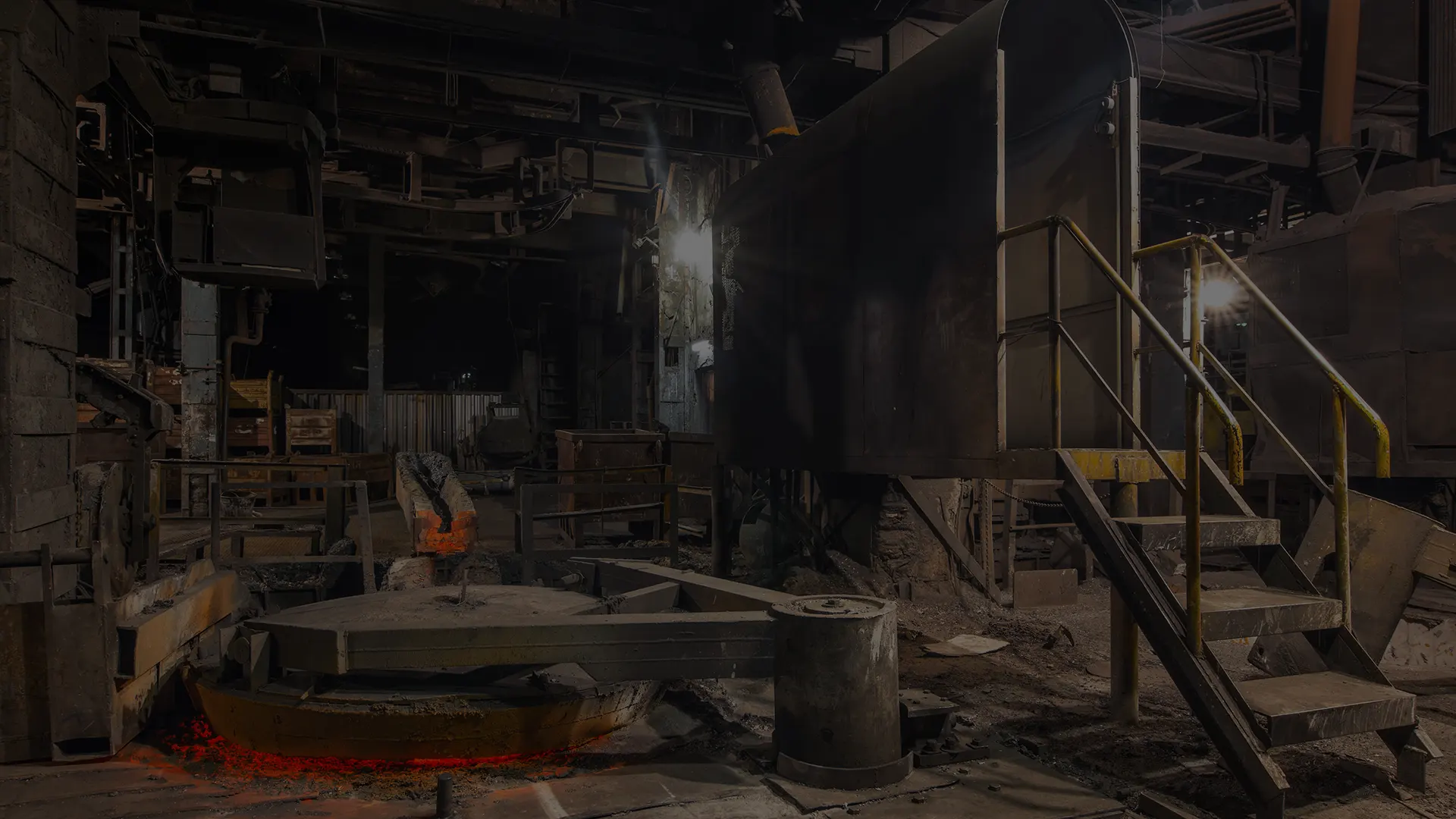
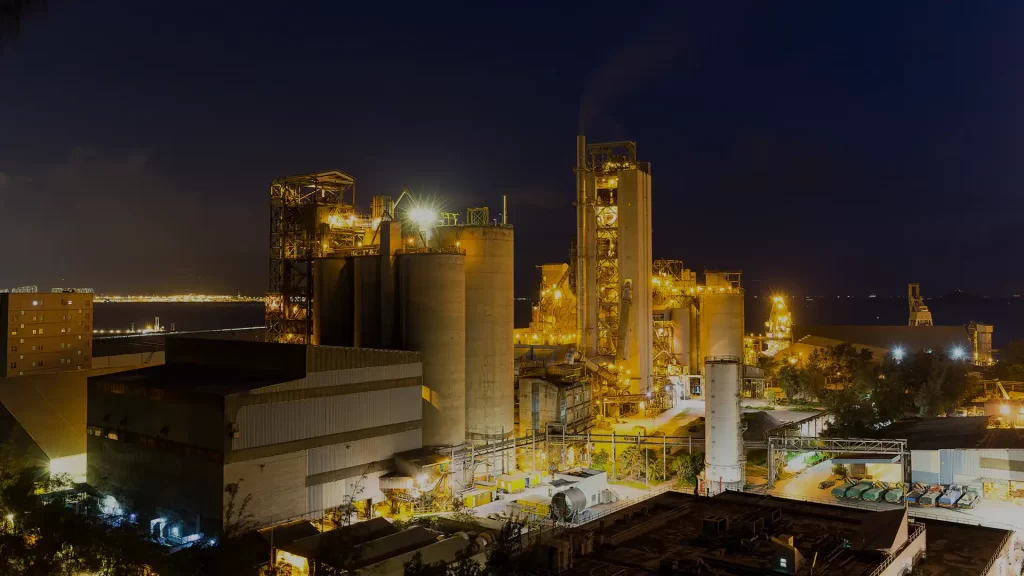
Cleaning a material processing plant means removing dirt, dust and other contaminants from the equipment and surfaces throughout it. Doing that efficiently starts with understanding where the contamination is coming from, because the three main sources need different answers.
Three sources
- Production processes. The materials being processed release dust, debris and other contaminants into the air and onto equipment and surfaces. This is continuous and predictable, which makes it the easiest to plan around.
- Weather. Outdoor plants are exposed to dust, dirt and other contaminants from the environment, including wind-blown dust and rain. Seasonal, and worth planning cleaning around rather than fighting.
- Human activity. Employees and visitors track in dirt and debris from outside, and equipment and surfaces get dirty through normal use.
Matching the method
Cleaning can be done manually with brushes and rags, with cleaning solutions, with dry ice blasting, or with high-pressure water jets. Which one fits depends on the surface and on which of the three sources put the contamination there.
Process dust on equipment that cannot be taken out of service often points to dry ice blasting. Weather-driven soil on outdoor structures usually calls for pressure washing. Tracked-in dirt in walkways and offices is a routine cleaning question.
Experience across the whole plant
We have the experience and capacity to deal with each factor, which matters because a plant rarely has only one of them. The useful plan addresses all three on the schedule each one deserves.
Read more about material processing plant cleaning, or get a quote.