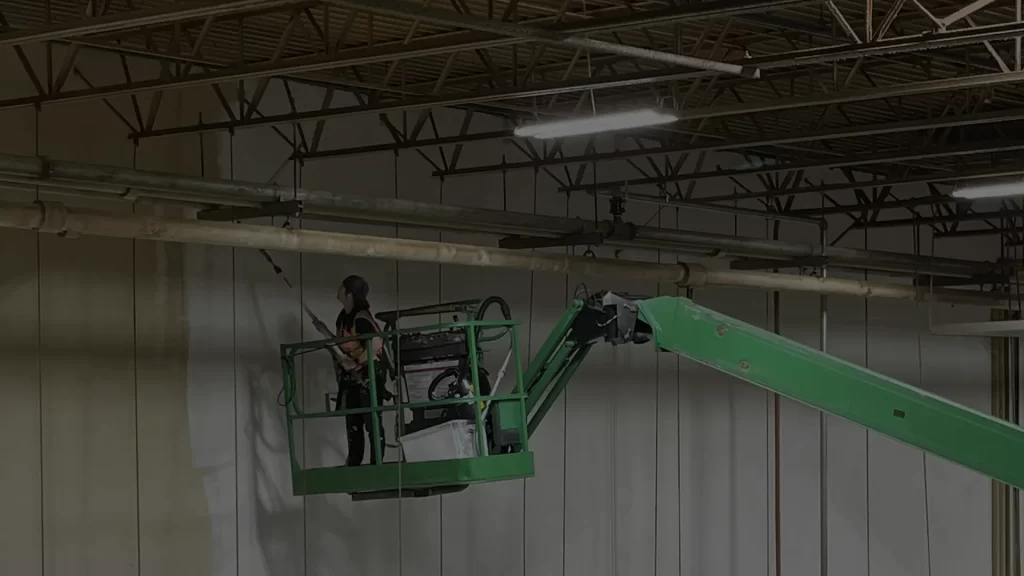
Plant managers often ask what separates a deep clean from the routine housekeeping their own team already does. The short answer is reach. Routine cleaning covers the surfaces people touch and walk on. Deep cleaning covers everything else: the beams, the pipe runs, the ledges, the inside of the equipment, and the places that have not been reached in years.
The methods we combine
No single technique cleans an entire facility. A deep clean usually draws on several at once, chosen for the surface and the soil:
- Pressurized water blasting for hard surfaces and heavy buildup
- Hand cleaning and wipe-downs where equipment is delicate or close to product
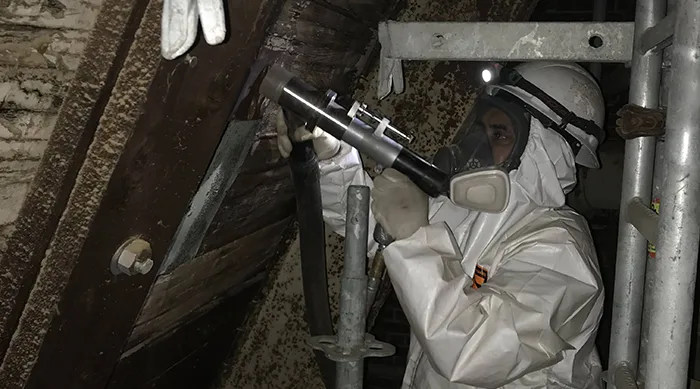
- Dry ice blasting where a surface has to be cleaned in place without residue
- Pneumatic vacuuming for dust on beams, ledges and overhead steel
- Chemical cleaning where grease and process residue will not release any other way
Why it pays for itself
Done properly, a deep clean does more than improve how a facility looks. It increases productivity by keeping equipment running the way it was designed to, improves health and safety for the people working around it, and helps a plant comply with environmental regulations. It also reduces unplanned downtime, because problems on a clean machine are visible long before they become failures.
Working around production
The question that decides most projects is not how to clean, but when. We plan the work around your operations, using scheduled downtime, weekends and holiday shutdowns so crews stay clear of production. On equipment, cleaning in place often removes the need to strip a line down at all.
Big or small, we clean them all. Our customers range from Fortune 500 companies to small and medium businesses and construction clients, and a good deal of our work is in-depth cleaning as part of a post-build or renovation project.
Read more about our industrial deep cleaning services, or tell us about your facility and we will put a plan together.