
Industrial deep cleaning gets complicated for four reasons, and they are the same four on almost every project. Whoever you hire should be able to answer all of them about your building before they quote.
1. What cleaning method suits this building and this industry?
There is no universal method. The right one depends on the surface, the soil and the constraint you are working under. A foundry generates sand, slag and metal shavings. A food plant has soils that must be removed before sanitizing can work at all. A warehouse is mostly dust and traffic.
A deep clean usually combines several methods: pressurized water blasting, hand cleaning, dry ice blasting, pneumatic vacuuming and chemical cleaning, each applied where it fits. A contractor who names one method for the whole building has not looked properly.
2. What codes and standards apply here?
This is the question most likely to be skipped, and the one most likely to cause a problem later. In a food or packaging plant the cleaning contractor is part of what an auditor assesses. Dust collection is integral to meeting SQF, BRC, GFSI and OSHA standards. Overhead work has to follow Good Manufacturing Practices.
Ask which standards your contractor trains against, and ask what documentation you will be given afterwards. Pre and post inspection records are evidence of scheduled cleaning, and auditors accept them as such.
3. How do you reach the difficult and dangerous parts?
Most of the soil that matters is not at floor level. It is on beams, ductwork, pipe runs, light fittings, ceiling plenums and the tops of equipment. Reaching it safely needs technicians certified to work at height, the right access equipment, and containment so that what comes off the steel does not land on production below.
This is the capability gap that separates industrial contractors from general cleaning companies, and it is worth asking to see the certification rather than taking it on trust.
4. How do you clean behind, under and inside equipment?
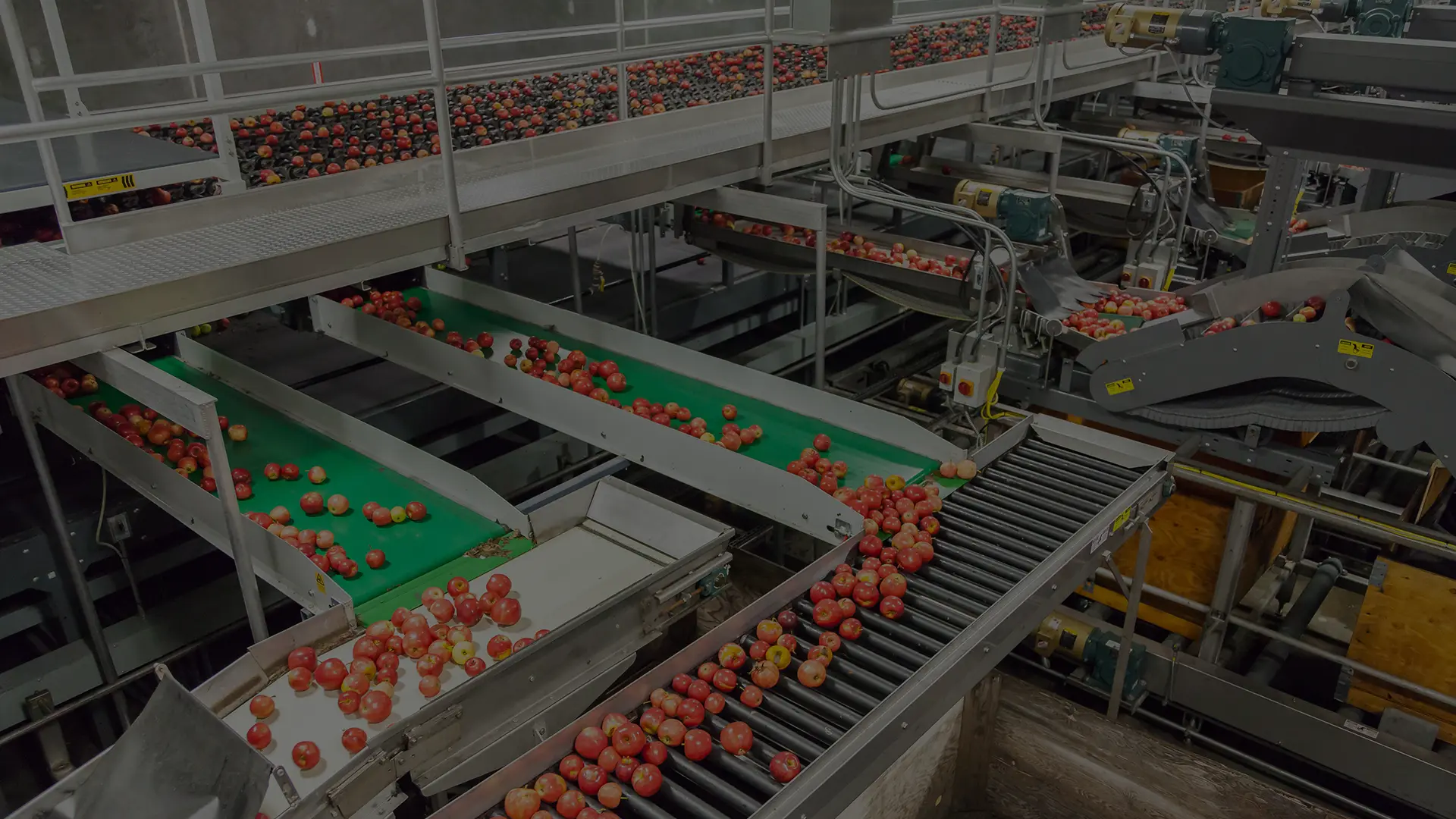
The places you cannot see are where soil concentrates: tight spaces, crevices, deep grooves, the underside of conveyors, the back of a line against a wall. Cleaning them traditionally means a teardown, which is why they get skipped.
Dry ice blasting is often the answer, because it reaches into grooves and crevices and cleans equipment in place without leaving media behind. Where it will not reach, the honest answer is a partial strip, and that should be in the scope and the price rather than discovered on the day.
Use these when you compare quotes
Two quotes for a deep clean can differ by a wide margin and both be reasonable, because they are describing different jobs. Asking these four questions of each bidder turns a price comparison into a scope comparison, which is the one that matters.
Read more about industrial deep cleaning, or ask us these questions about your facility.