
Independent auditors perform unscheduled inspections. That is the entire point of them, and it changes what preparation means. You cannot prepare for a date you do not have. What you can do is make the building’s normal condition good enough to pass.
What fails first
Across food and packaging plants, the findings cluster in the same places, and they are all places that are difficult to reach:
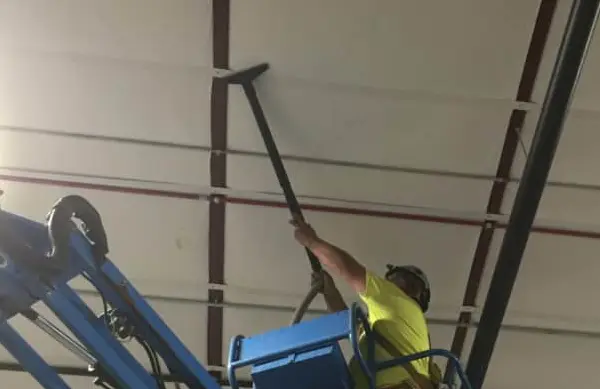
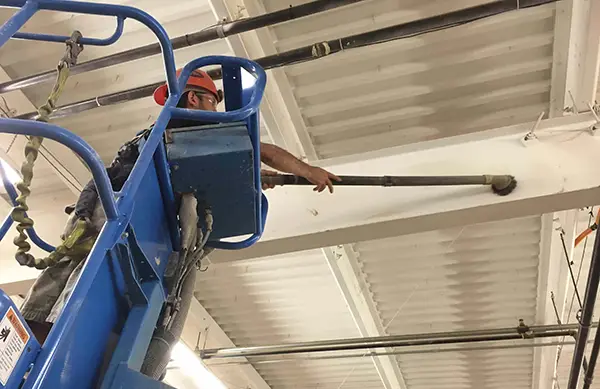
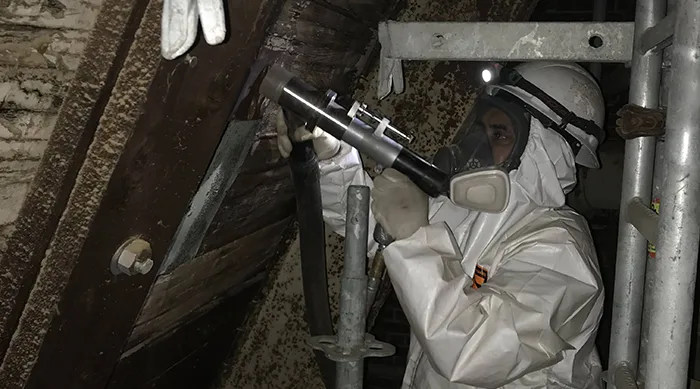
- Overhead steel. Beams, trusses, ductwork and pipe runs above production. Dust here is the finding auditors reach for first, because it is visible from the floor with a flashlight.
- Drains. Frequently cleaned superficially and rarely with a dedicated brush and cleaner.
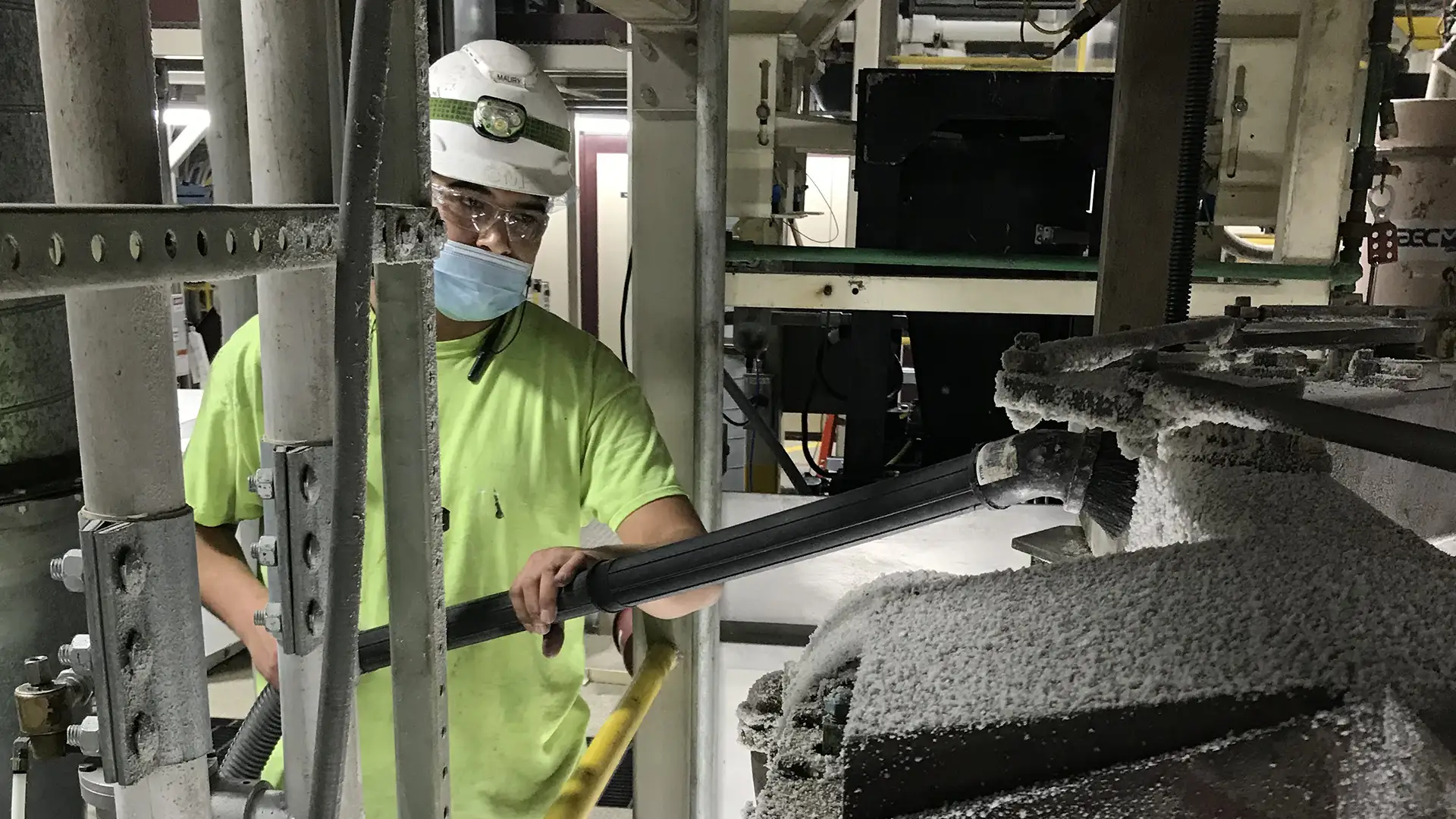
- Equipment interiors. Behind guards, inside frames, under conveyors.
- The line between cleaned and sanitized. Surfaces that were sprayed but not cleaned first.
The sequence auditors expect
Cleaning first, sanitizing second, and evidence of both. If soil or dust is present on a surface, the sanitation chemical cannot reach underneath it and that area has not been sanitized regardless of what the schedule says. An auditor who finds soil under a sanitized-and-signed-off surface has found a process failure, not a cleaning failure, and that is a worse finding.
Documentation to have ready
Being able to produce these quickly is worth as much as the cleaning itself:
- Pre and post inspection records showing condition before and after each scheduled clean
- The cleaning schedule itself, with intervals and areas
- Your contractor’s training records, including which GFSI-recognized programs their technicians train through
- Chemical documentation, confirming EPA-registered products
- SSOPs, and evidence they are being followed
Keep them where the quality team can reach them under pressure. A folder on somebody’s desk is not a system.
Scheduling that survives an unannounced visit
The only workable approach is an interval matched to how quickly your process generates soil and dust, so that at any given moment the building is at most one cycle away from audit condition. Overhead work usually sets the rhythm, because it is the longest interval and the most visible failure.
If the audit is imminent
Be realistic and prioritize. In a short window, focus on:
- Overhead areas directly above open product
- Equipment tops and the surfaces at and above eye level
- Drains
- Anything a previous audit flagged
A focused pass on what will be examined first is worth more than a light pass over everything. Our technicians are certified with a lift, which is what makes the high areas reachable in a compressed schedule.
The standards behind all of this
We train through SQF, BRCGS and FSSC 22000, and in HACCP management and GMP+ practices, and we teach the proper use of Sanitation Standard Operating Procedures. That training is what lets us work in your plant without becoming something you have to explain.
Read about our GFSI training, overhead cleaning and dust collection, or call 1-800-884-0588.