Housekeeping is one of those audit areas that feels subjective until you are standing under a beam with an auditor pointing a flashlight at it. Dust collection is integral to meeting SQF, BRC, GFSI and OSHA standards, and the findings that come out of it are rarely a surprise to anyone who works in the building.
Where auditors look first
Consistently, the same places. They are the places that are hard to reach, which is precisely why they are worth checking:
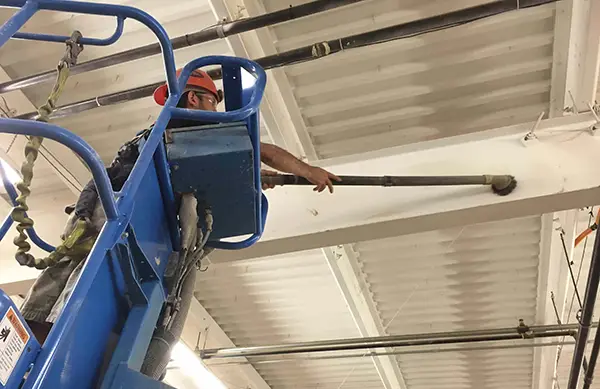
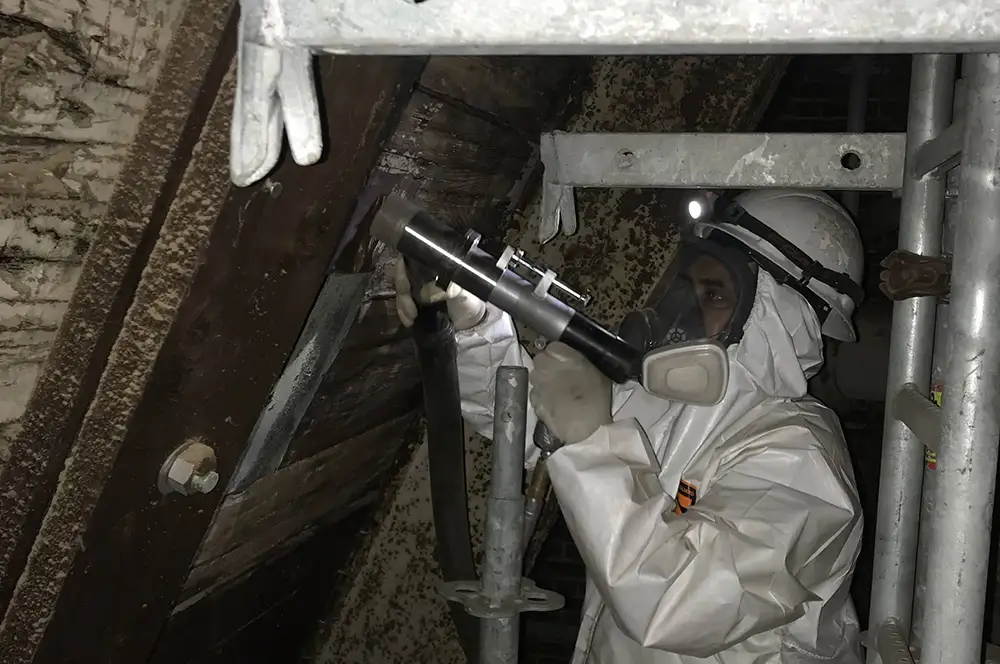
- Overhead steel. Beams, trusses, girders and rafters, where dust accumulates for years unnoticed.
- Ductwork and pipe runs. The horizontal surfaces on top, not the sides anyone can see.
- Light fittings and fans. Both collect dust and both move air over it.
- Ceiling plenums. Out of sight entirely, which is the point.
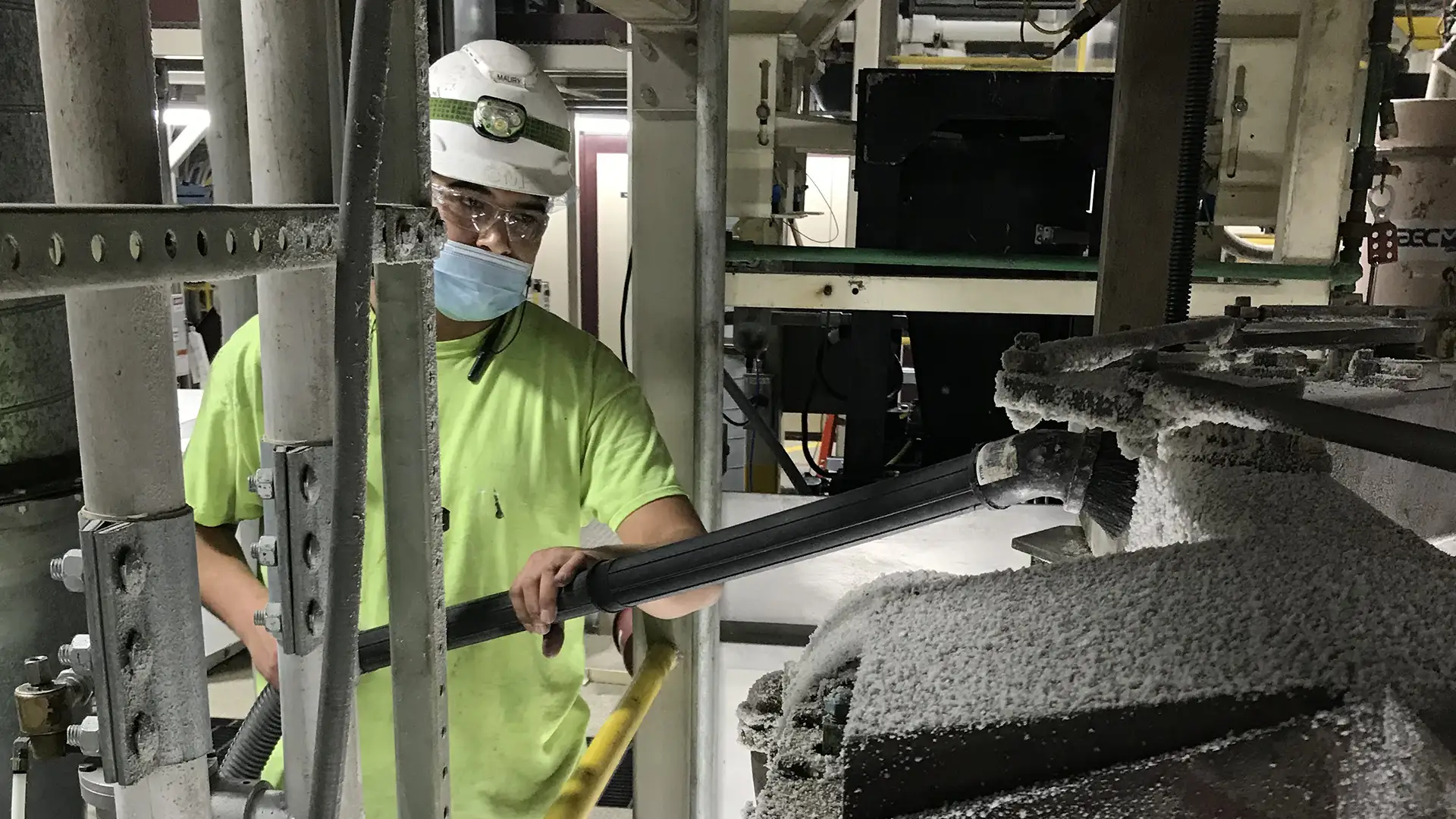
- The tops of equipment. Cleaned at eye level, ignored above it.
- High window sills and racking. Especially in warehouse and storage areas.
A plant that cleans its floors daily and has never had anyone above ten feet will fail on all of these at once.
What the standards actually ask for
Different schemes word it differently, but the expectation is the same: that the facility has a cleaning program, that it covers the whole building rather than the visible parts, that it is followed, and that there is evidence it is followed. The last part is where most plants fall short. Doing the cleaning and being able to prove you did it are two separate requirements.
Documentation is half the answer
Ask any contractor what you get afterwards. Pre and post inspection records showing the condition before and after are evidence of scheduled cleaning, and they are what turns “we clean the overhead annually” into something an auditor can accept.
Keep them somewhere the quality team can find them under pressure, not in a folder on the maintenance manager’s desk.
How far ahead to schedule
If your audit is announced, plan the overhead and dust work for several weeks beforehand rather than the week of. That gives time to deal with anything the cleaning uncovers, and it avoids a freshly disturbed building on the day.
If your audits are unannounced, which is increasingly the norm, the only workable answer is a schedule matched to how fast your process generates dust, so the building is never more than one cycle away from being ready.
If the audit is next week
It is not too late to improve the position, but be realistic about scope. Prioritize the overhead areas above production, the equipment tops, and anything directly above open product. A focused pass on the areas that will be looked at first is worth more than a light pass over the whole building.
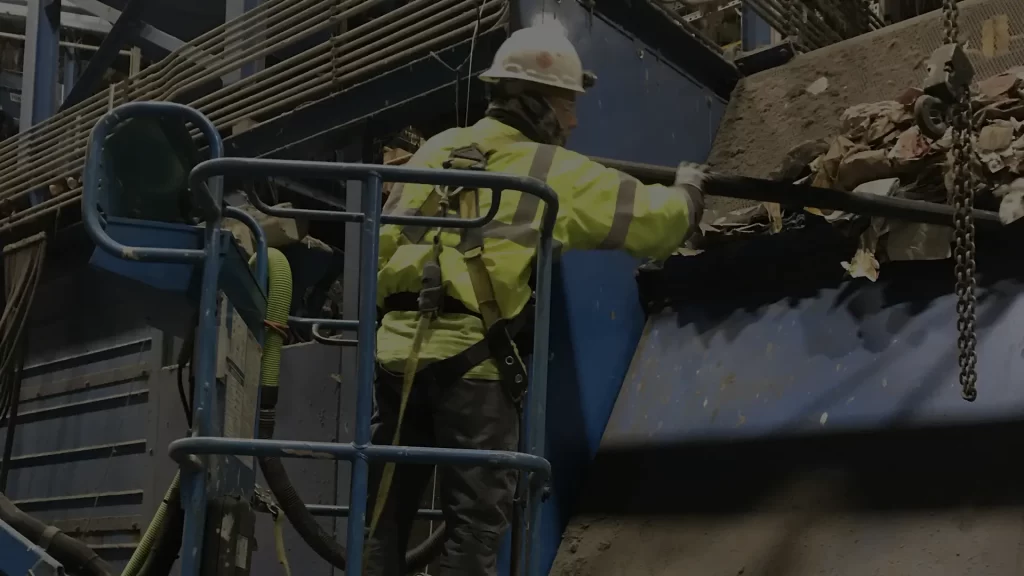
Our technicians are trained, experienced and certified with a lift, which is what makes the high and hard-to-reach areas reachable in the time available.
Read about dust collection and vacuuming and our GFSI training, or tell us your audit date.