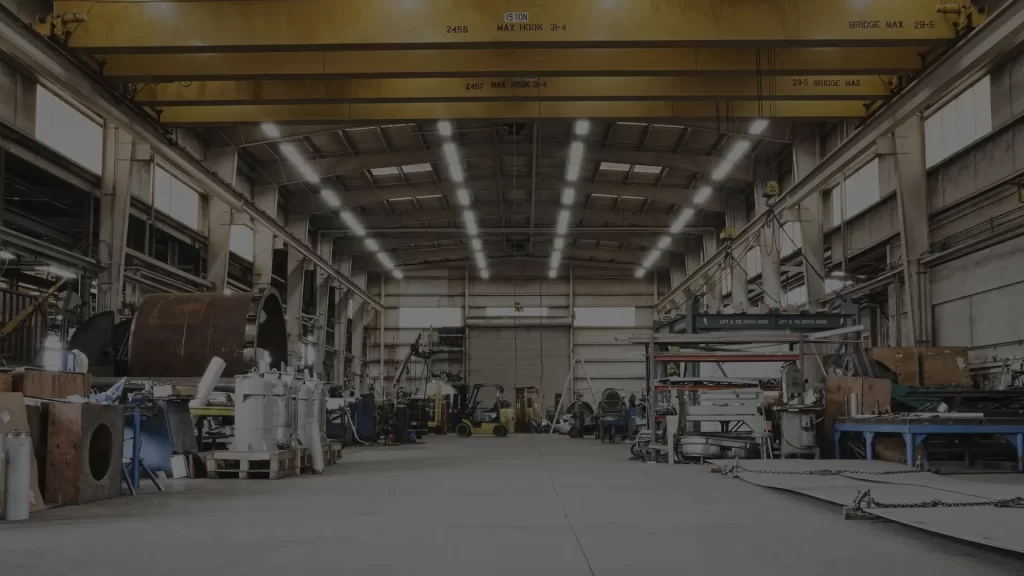
Machine shops, fabrication shops, mechanical shops and milling shops get dirty because of the nature of the work, not because anyone is neglecting them. Machining, cutting and grinding generate dust, shavings and debris continuously, and the lubricants and coolants that make those processes possible contribute their own buildup of grime on equipment and surfaces.
Four reasons a clean shop matters
- Safety. Keeping walkways and work areas free from debris and obstacles reduces the risk of accidents and injuries.
- Efficiency. Equipment moves and operates more freely in a clean shop, which reduces downtime and increases productivity.
- Quality. Contamination of products and materials is a direct threat to the quality of the work coming out, and a clean shop reduces that risk.
- Maintenance. Clean equipment is equipment whose condition you can actually see.
Ventilation and schedule together
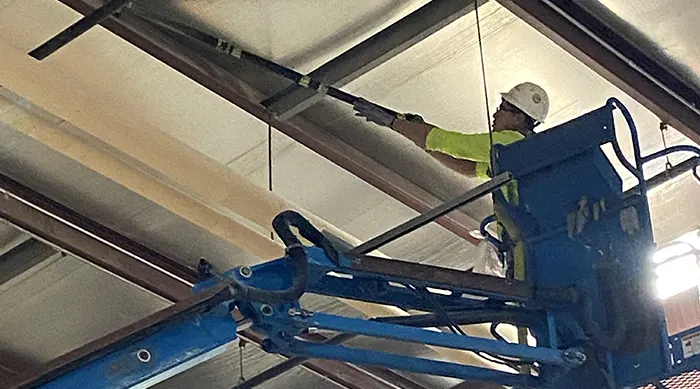
Shops need proper ventilation systems and regular cleaning schedules to maintain a clean and safe working environment. Neither works without the other. Ventilation handles what is airborne; scheduled cleaning handles what has already settled on machines, benches, floors and overhead steel.
Getting on the right track
The shops that stay on top of it are the ones that decided a frequency and stuck to it, rather than cleaning when the state of the place became impossible to ignore. Because shop soil accumulates at a predictable rate, that frequency is usually easy to work out once somebody looks at it properly.
Read more about shop cleaning services, or tell us about your shop.