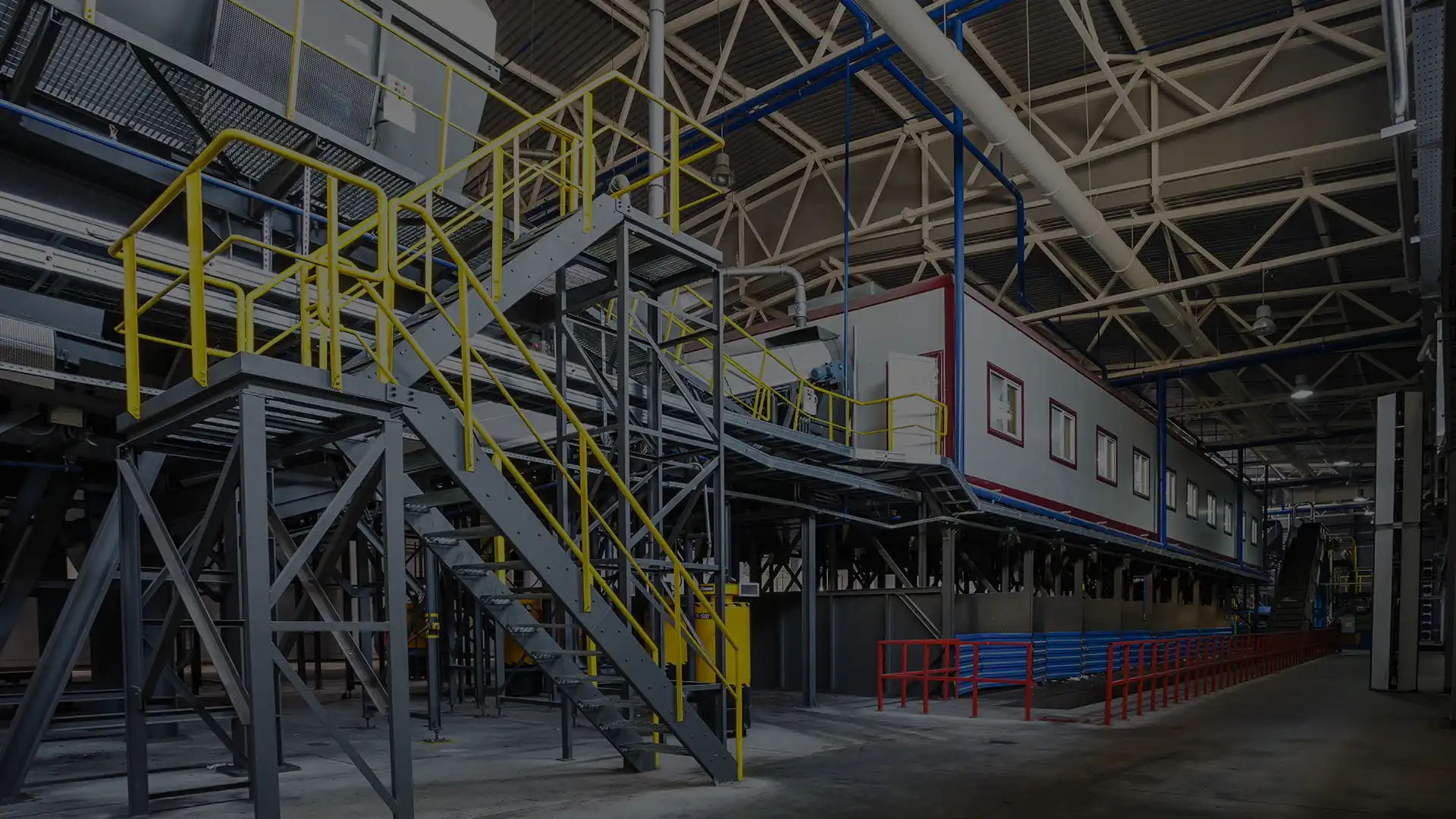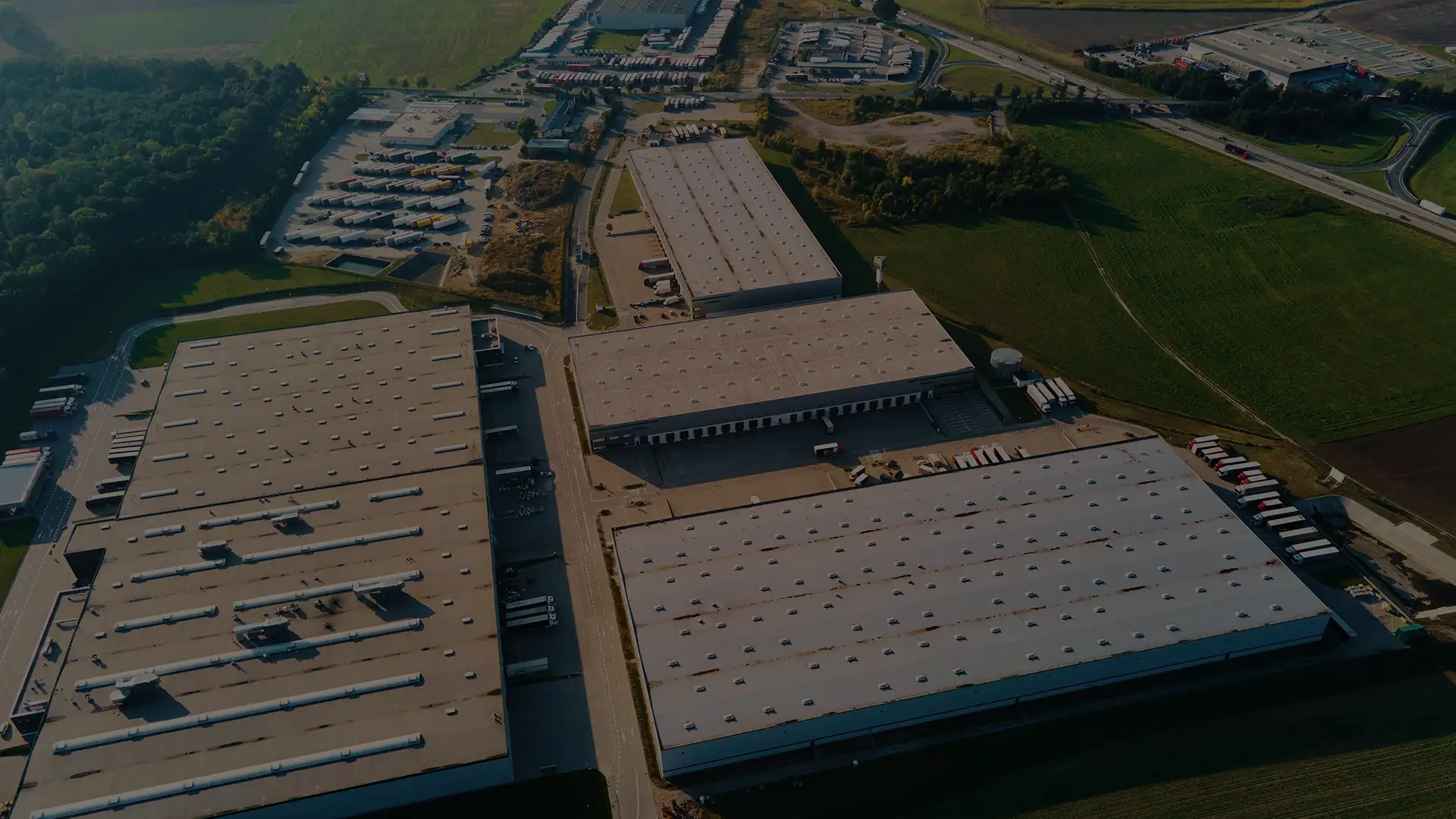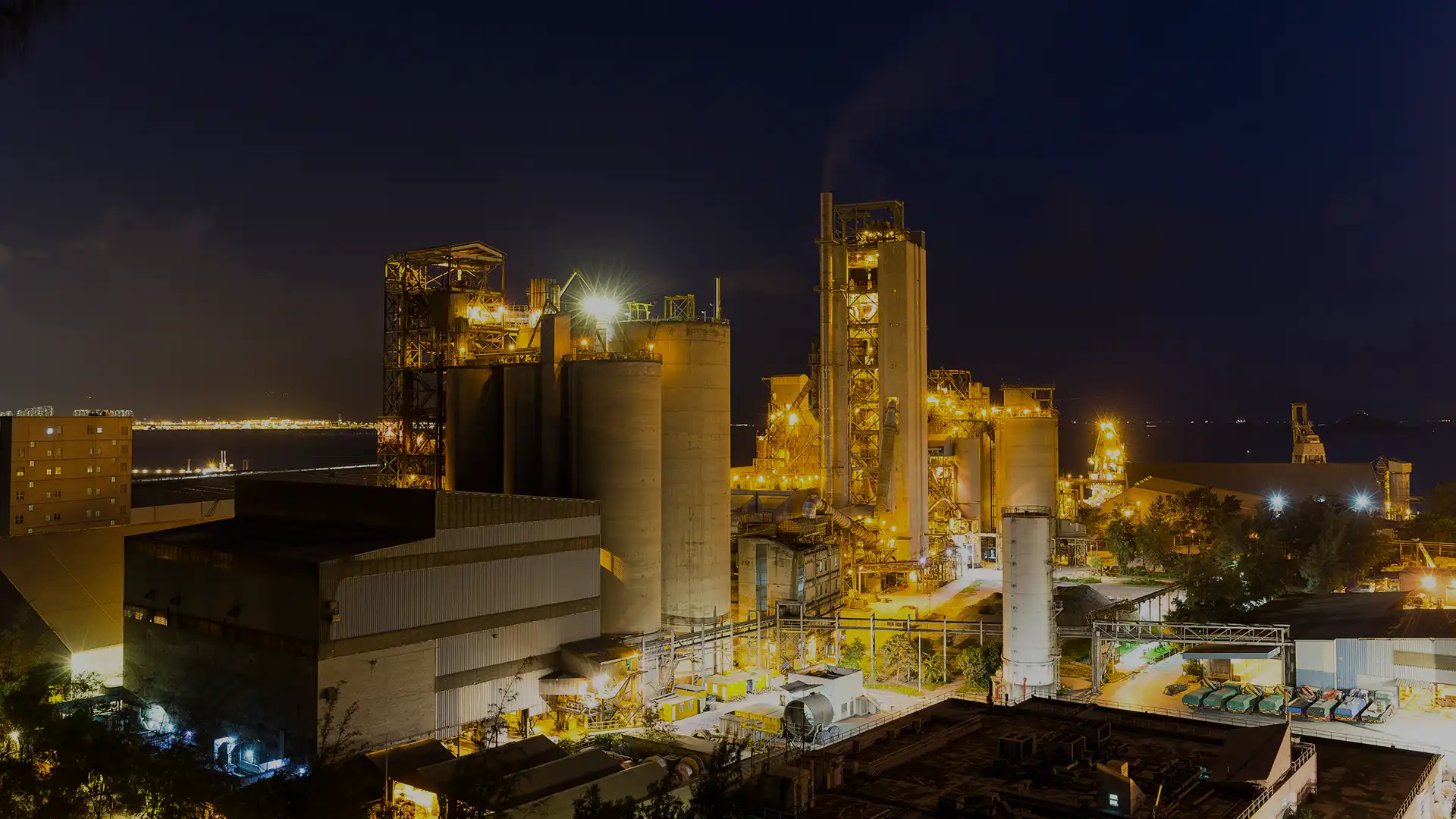
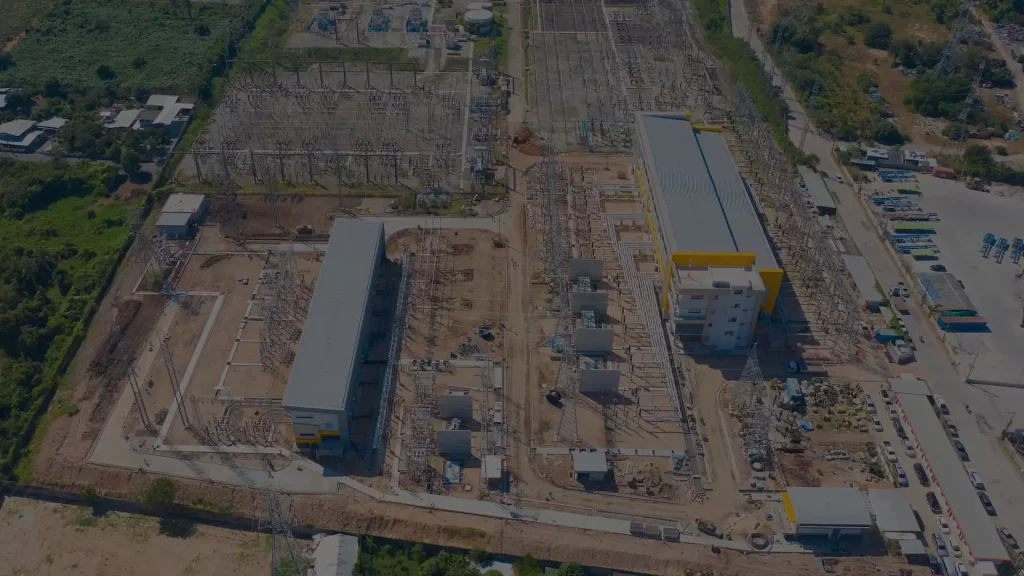
A utility plant needs cleaning for reasons that go well past appearance. A clean plant improves equipment efficiency, reduces the risk of equipment failure, and makes issues easier to detect and repair. It also improves overall safety, reduces the risk of fire, and makes it easier for workers to navigate the site and do their jobs.
Several plants in one
A utility plant typically has several distinct operational areas, and each presents its own cleaning problem:
- Power generation. Where electricity is produced, from coal, natural gas, nuclear or renewable sources.
- Steam generation. Some plants also produce steam for heating or industrial processes.
- Water treatment. Plants use large amounts of water for cooling and other purposes, and often have an area to purify and recycle it.
- Fuel handling. Receiving, storing and handling the fuel used to generate electricity.
- Maintenance. The area for repair and upkeep of the plant’s equipment.
Fire risk and detection
Two of the benefits deserve to be read together. Reducing fire risk and making issues easier to detect are the same thing seen from different angles: accumulated dust, oil and residue are both a fuel source and a screen that hides the developing fault underneath.
Planning across the areas
Because these areas have different access requirements, different hazards and different shutdown windows, the plan usually treats them as separate projects that share a contractor rather than one job across the site.
Read more about utility plant cleaning and painting, or get a quote.