Dry ice blasting is usually explained by comparing it with sand and soda blasting, and the comparison is worth making properly, because the three are alike in setup and very different in consequence.
What they have in common
In all three, a medium is accelerated in a pressurized air stream to impact the surface being cleaned or prepared. The equipment looks similar, the operator technique is broadly similar, and from across a plant floor you would struggle to tell them apart.
Where they differ: the medium
Sand and soda are hard abrasive media. They work by grinding against the surface, removing the contaminant and some of the substrate with it. That is exactly what you want when you are profiling steel for a coating. It is exactly what you do not want on a machined surface, a seal or a painted finish you intend to keep.
Dry ice is soft. It is completely non-abrasive, so it lifts contamination without cutting into what is underneath.
Where they differ: what is left behind
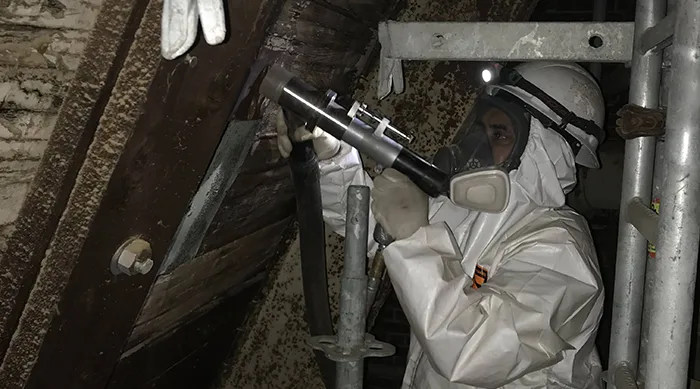
This is the difference that changes project economics. Sand and soda leave the spent medium on the floor, in the machine, and everywhere the air stream carried it. That material has to be contained, collected, bagged and disposed of, and in a plant near product or open equipment, it has to be kept out of places it must never reach.
Dry ice pellets vaporize on impact, turning from solid to gas. There is no secondary waste. The only thing to clean up is the contaminant that came off the surface.
Where they differ: conductivity and safety
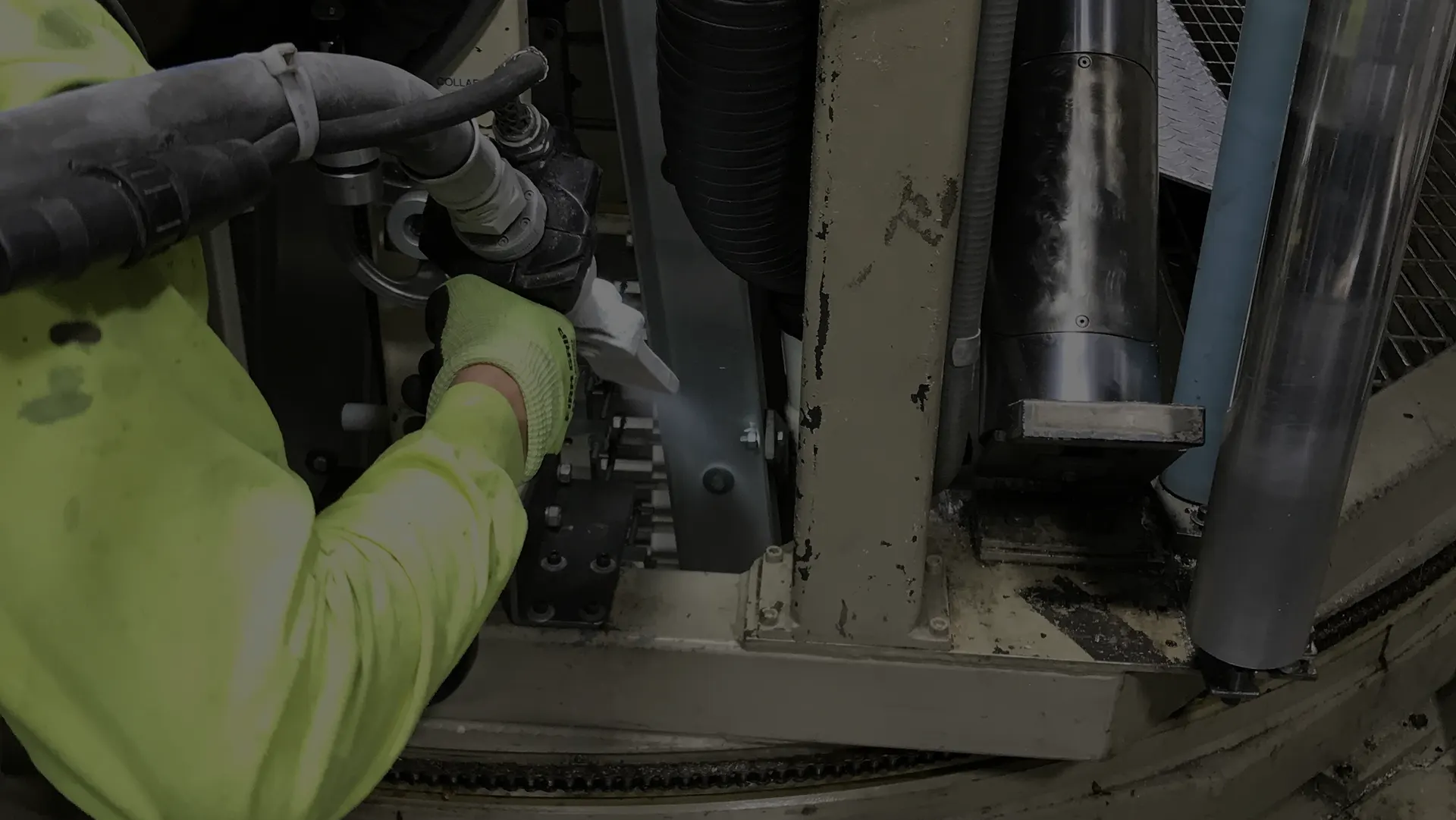
Dry ice blasting is non-flammable and non-conductive, and because there are no secondary contaminants it is non-toxic and environmentally friendly. That combination is what makes it usable around electrical components and control gear, where an abrasive medium would be unthinkable.
Cost per hour against cost per project
Compared hour for hour, dry ice blasting is not the cheapest option on the list. Compared project for project it frequently is, because the hourly rate is only one line in the cost:
- Disposal of spent blasting media, which dry ice does not generate
- Containment and collection labor
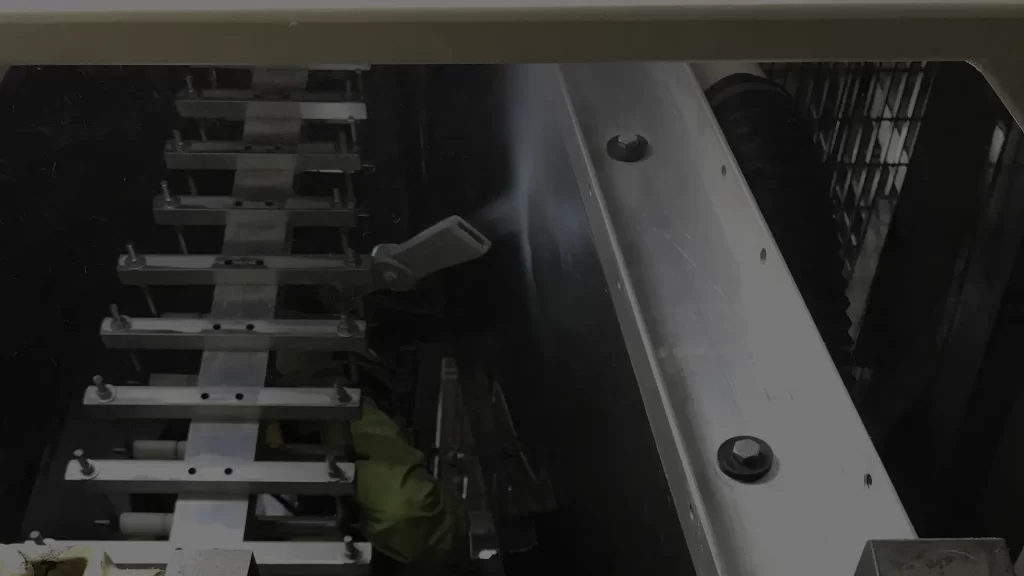
- Teardown and reassembly, often avoidable because equipment can be cleaned in place
- Downtime, which on a production line is usually the largest number of all
Choosing between them
Use an abrasive medium when you are preparing a surface and want a profile. Use dry ice when you are cleaning a surface and want it unchanged, when the equipment cannot be dismantled or moved, when secondary waste would be a problem, or when downtime is the real cost of the job.
Part of our job is telling you when another method will do it better or cheaper, and on some surfaces it will.
Read more about dry ice blasting and surface preparation, or ask about your equipment.